
When people hear the term value engineering, they often assume it means cutting costs, reducing specifications or watering down the original design.
In reality, good value engineering should do the opposite.
Done properly, it protects the things that matter most while removing the elements that don’t add genuine value. It’s about making smarter decisions, not cheaper ones.
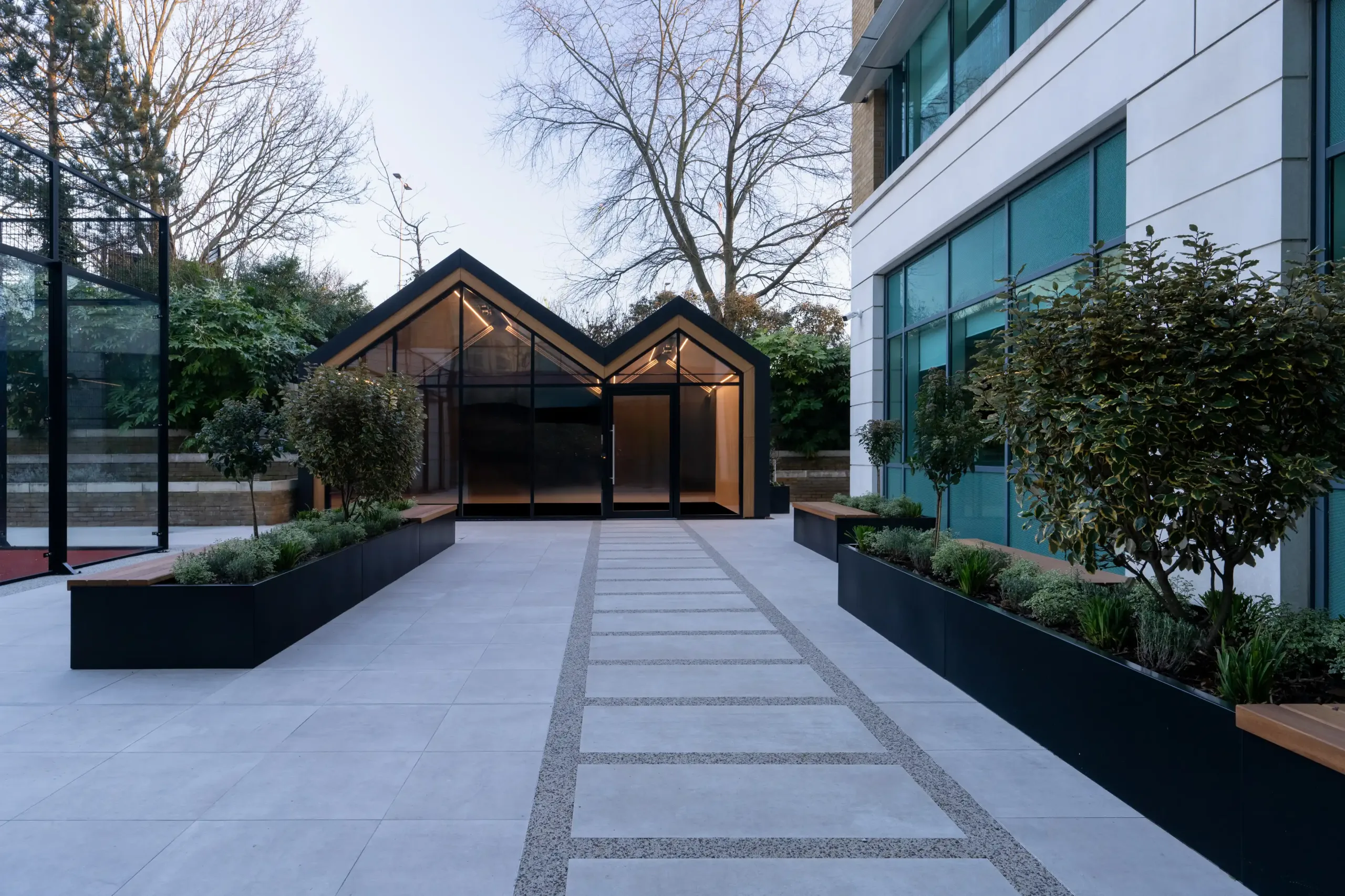
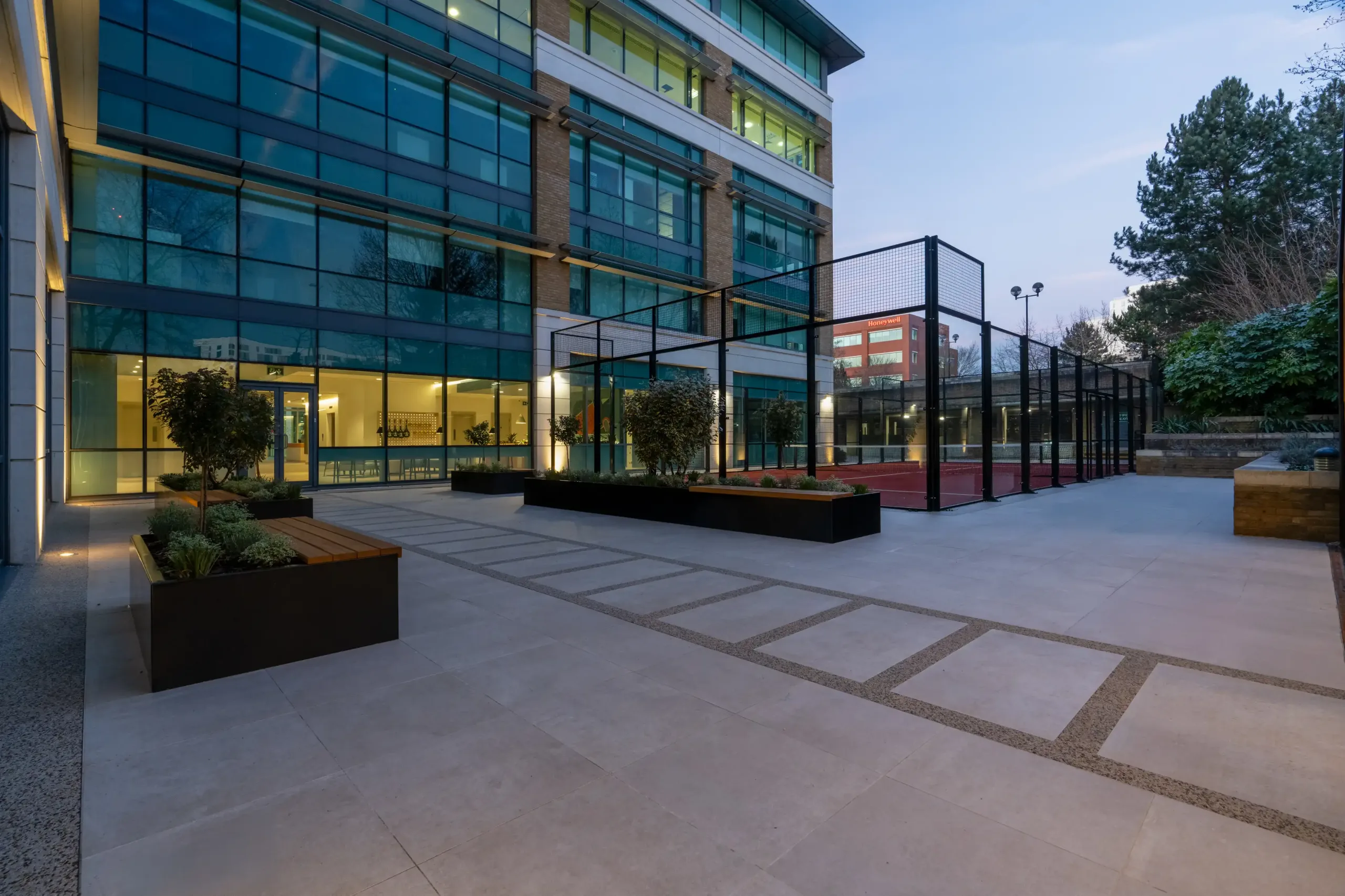
Our recently completed project at Three Arlington Square is a perfect example.
The scheme has just received a BCO award, recognition that reflects the quality of the finished workplace and the success of the project as a whole. What’s particularly satisfying is that this achievement came after we had already removed close to £1m from the original budget.

Starting With the Right Question
The project was procured on a Design & Build basis, giving us the opportunity to review the scheme in detail and challenge assumptions before work began.
Rather than asking where costs could simply be cut, we asked a different question:
How can we achieve the same design intent more efficiently?
That distinction is critical.
Too often, value engineering exercises happen late in a project and focus purely on reducing expenditure. The result can be a diluted design, compromised user experience and a finished product that falls short of the original vision.
Our approach was to understand exactly what made the scheme special and then protect those elements throughout the process.
Removing Waste, Not Quality
By re-designing key areas and making smarter use of the existing space, we were able to identify significant savings without undermining the overall concept.
The focus wasn’t on removing quality finishes or reducing functionality. Instead, we looked for opportunities to simplify construction, optimise layouts and make better use of what was already available.
This approach delivered substantial savings while maintaining the integrity of the design.
In fact, many of the most successful value engineering solutions are invisible to the end user. Occupiers don’t see the decisions that reduced costs behind the scenes. They simply experience a workplace that feels well-considered, functional and inspiring.
The Result
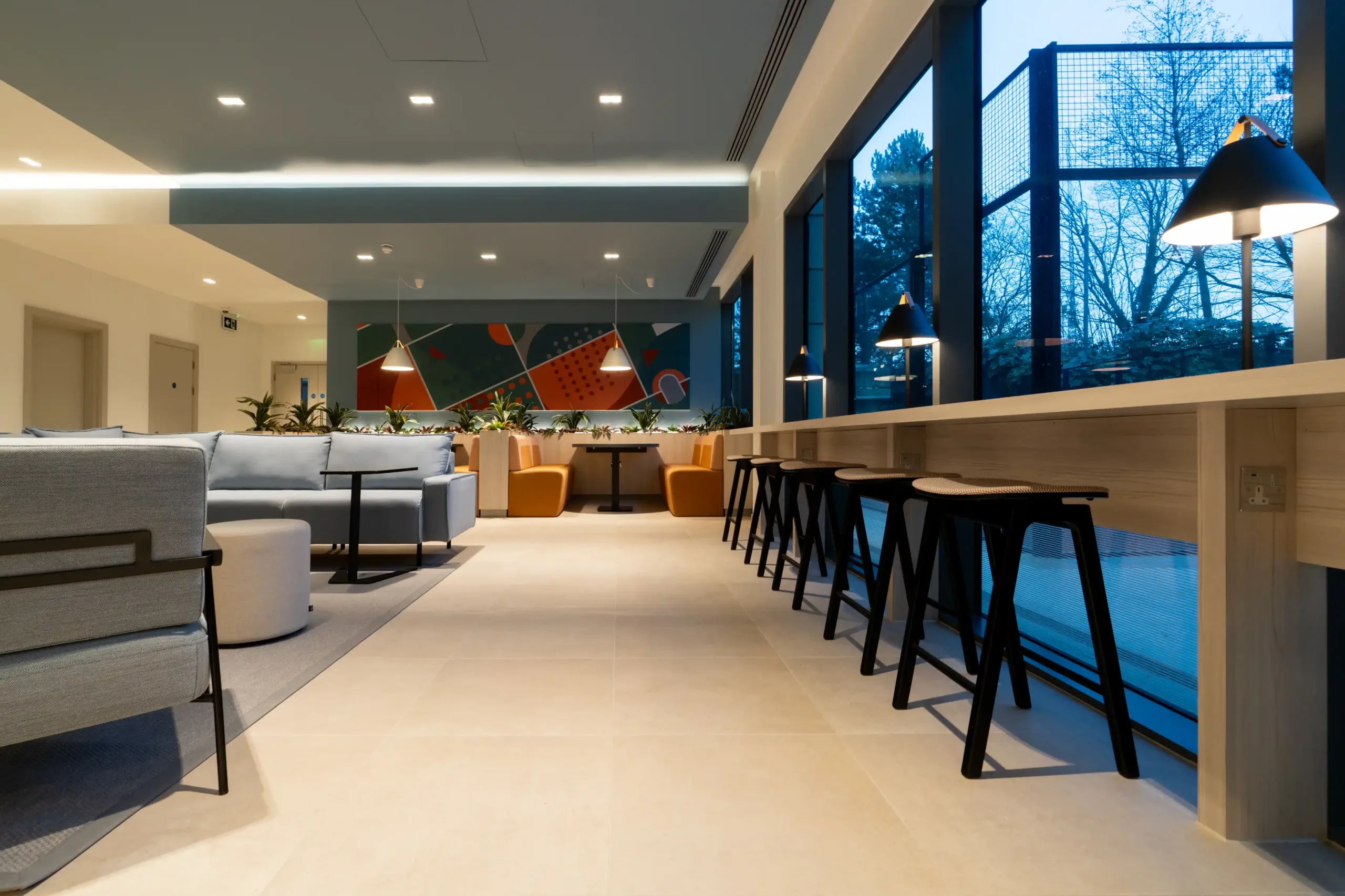
The completed workplace delivers everything the original vision set out to achieve.
It feels coherent, welcoming and uplifting. The quality of the environment remains intact, and the project has now been recognised by the BCO as an example of workplace excellence.
For us, that recognition validates something we have always believed:
Value engineering should strip out waste – not quality.
Why Early Contractor Involvement Matters
One of the biggest advantages of Design & Build procurement is the opportunity to bring practical construction knowledge into the design process early.
When contractors are involved at the right stage, potential issues can be identified before they become expensive problems. Alternative solutions can be explored while there is still flexibility in the programme. Savings can be generated through better planning rather than last-minute compromises.
The earlier these conversations happen, the more opportunities there are to improve value without impacting quality.
A Better Way to Approach Budget Challenges
Most projects face budget pressure at some point.
The key is having a team that understands where genuine value lies and where efficiencies can be found without affecting the outcome.
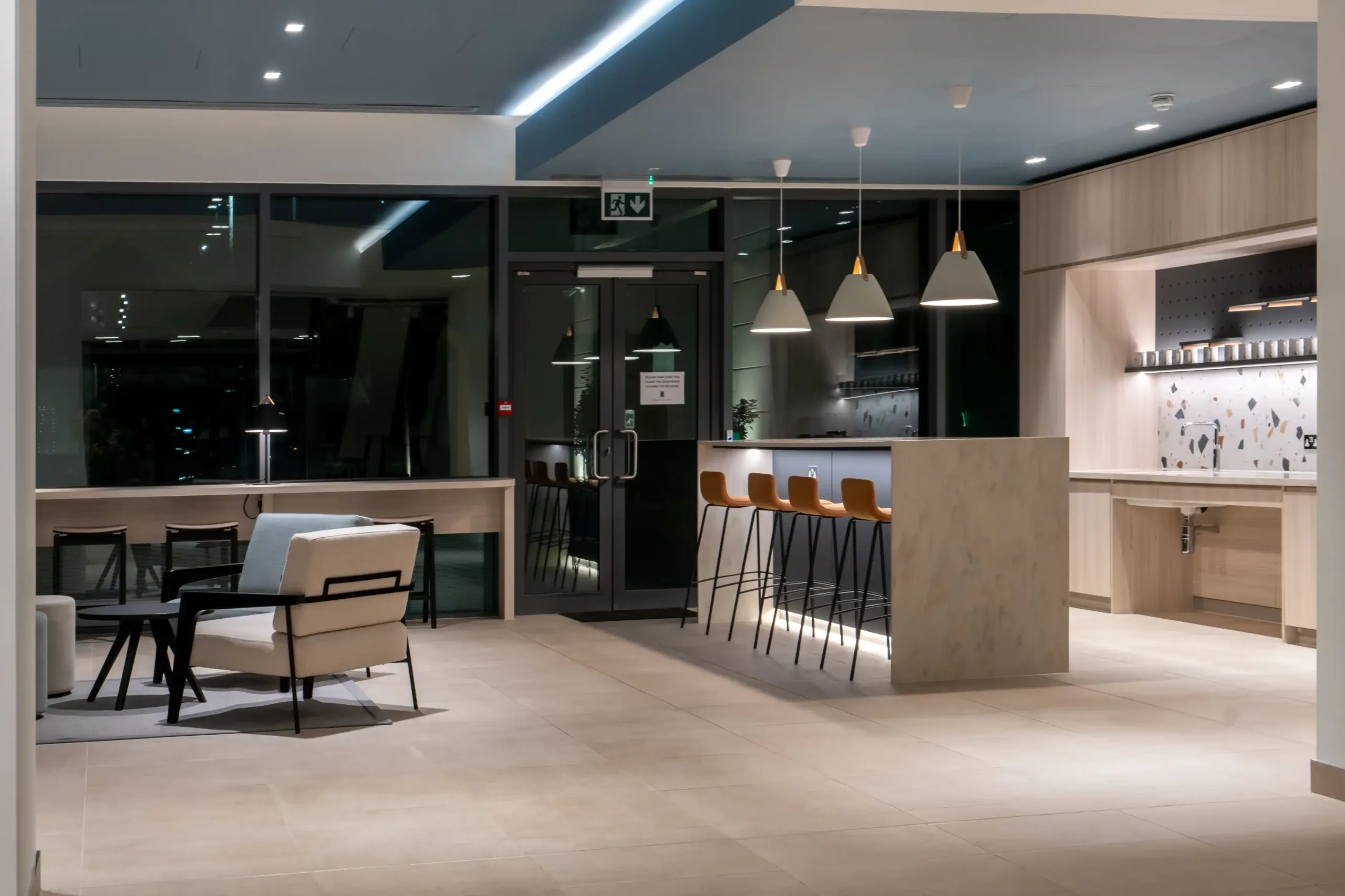
At Three Arlington Square, that approach delivered a saving of almost £1m while helping create an award-winning workplace.
Proof that the best value engineering doesn’t change the vision.
It simply finds a smarter route to achieving it.
If you’d like to work with our team on your next project, then get in touch.